
Electrician vs. Electrical Technician: What Is the Difference?
 Electrical work covers a wide range of jobs, and two job titles often get mixed up: electrician and electrical technician. Both roles matter to modern industry, but they follow different training paths and involve different daily tasks. Prospective students researching trade programs run into this question constantly, and the two jobs can sound alike even though they are separate professions with different responsibilities, work settings, and education requirements. Knowing these differences can help someone choose the training program that matches their career goals.
What is an Electrician?
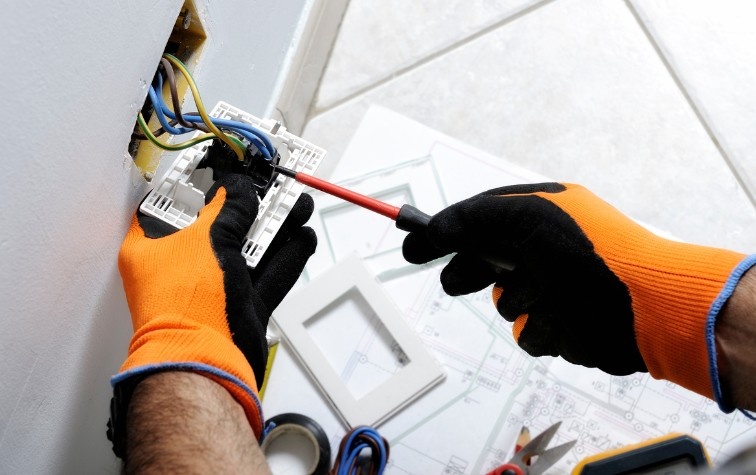
An electrician is a licensed professional who installs and maintains the electrical systems that power homes, offices, schools, and factories. Electricians install and repair the heavy wires, metal conduits, and breaker boxes that distribute electricity safely through a building.
Because electricity carries serious risks, electricians follow strict national safety codes, including the National Electrical Code, to keep buildings safe from fire and electrical failure.
Work Environment
Electricians move between job sites often. A typical week might include a day at an outdoor construction site and a day inside an office building or home.
Training
All electricians complete an ongoing 4-5 year apprenticeship, earning a paycheck while learning on the job. This path leads to a state-issued journeyman license, and eventually a master electrician license for those who continue in the trade.

What is an Electrical Technician?
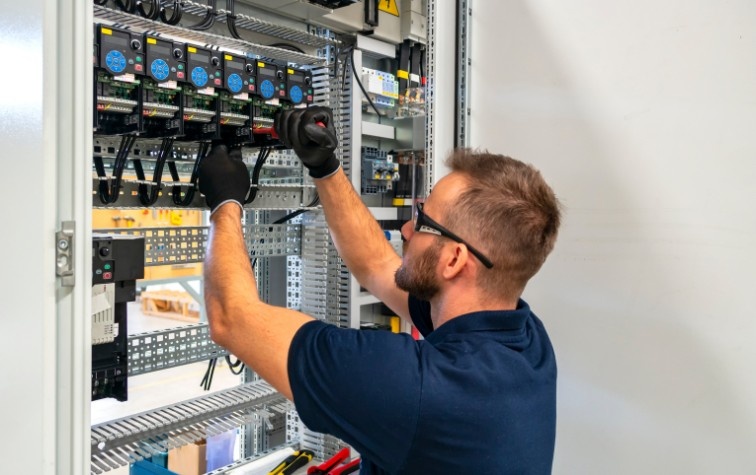
An electrical technician is a trained professional who tests, maintains, and repairs the machines, automation systems, and low-voltage equipment that run inside buildings and industrial sites. Instead of wiring an entire building, electrical technicians work on the technology inside it, often alongside engineers and other technical staff.
Work Environment
Technicians typically work indoors in controlled settings such as manufacturing plants, data centers, or industrial facilities. In north Louisiana, that includes manufacturing plants across the region, commercial facilities throughout the Ark-La-Tex area, and the data centers and tech hubs coming to Shreveport.
Training
Most electrical technicians complete a focused technical school program lasting one to two years. Some programs, including Ayers Career College’s Electrical Technician program, are designed to be completed in under a year. These programs include hands-on lab work and usually lead directly into entry-level jobs, without a multi-year apprenticeship.
Students interested in this path can review Ayers Career College’s Electrical Technician training program to learn more.
Key Differences Between an Electrician and an Electrical Technician
| Feature | Entry-Level Electrician | Electrical Technician |
|---|---|---|
| Primary Duties | Installation, repair, wiring, and power distribution | Diagnostics, testing, and machinery or system optimization |
| Education | Ongoing 4 to 5 year apprenticeship | Technical certificate or associate degree, often a year or less |
| Licensing | Requires a state-issued license (journeyman or master) | Does not usually require a license |
| Work Environment | Construction sites, residential homes, and offices | Manufacturing plants, workshops, and industrial labs |
| Average Annual Salary | $54,640 | $61,719 |
| Time to Enter Workforce | Longer, due to apprenticeship length | Shorter, often under a year |
Which Career Path Is the Better Fit: Electrician or Electrical Technician?
Choosing between these two paths depends on preferred work environment and how quickly someone wants to start working.
The electrician path may be a good fit for someone who:
- Enjoys physical work and building infrastructure from the ground up
- Doesn’t mind working across changing indoor and outdoor job sites
- Is willing to complete a multi-year apprenticeship to earn a state-backed license
The electrical technician path may be a good fit for someone who:
- Is interested in automation, robotics, or industrial electronics
- Prefers working indoors with diagnostic tools and equipment
- Wants to complete a shorter training program and start working sooner
For those leaning toward the technician route, Ayers Career College’s Electrical Technician program in Shreveport offers hands-on training that can be completed in as little as nine months, including a 12 0-hour externship with local employers. Graduates have gone on to work with companies like Frymaster, Module X Solutions, Ronpak, and Sabre Industries. Prospective students can also review financial aid options and the admissions process, or read more about what an Ayers graduate’s first year on the job looks like.
Frequently Asked Questions
Do electricians or electrical technicians need ongoing training after they’re certified or licensed?
Yes. Electricians typically need continuing education hours to renew their state license. Electrical technicians often pursue additional certifications as equipment and automation technology changes.
Is prior electrical experience needed to start training for either path?
No. Both electrician apprenticeships and electrical technician programs are generally designed for beginners and start with fundamentals before moving into hands-on work. It’s typically easier to get an electrician apprenticeship with a degree or diploma from a trade school.
Do electricians and electrical technicians ever work in the same facility?
Yes. Larger sites like manufacturing plants or data centers often employ both, with electricians handling the building’s power infrastructure and technicians maintaining the equipment that runs on it.
Are electrician jobs more likely to be union positions than electrical technician jobs?
Often, yes. Many electricians train through union-affiliated apprenticeships, such as those offered by the International Brotherhood of Electrical Workers (IBEW), while electrical technician roles are more frequently non-union, though this varies by employer and region.
Can an electrical technician later become an electrician?
Yes, but the two careers require separate training. An electrical technician would need to complete an electrician apprenticeship and licensing process, since their training does not automatically count toward it.
Do both careers require a high school diploma or GED?
Yes, both paths generally require a high school diploma or GED before starting a training program or apprenticeship. You are more likely to secure an electrician apprenticeship if you attend a trade school before.